As a fundamental material that combines high strength, plasticity, affordability, and recyclability, steel is used in nearly every aspect of human life and production, playing an irreplaceable role in many fields. Whether in construction and infrastructure, machinery manufacturing and industrial equipment, transportation, or energy and power, steel is essential.
The steelmaking process is a complex industrial process that transforms natural ore into a metallic material with specific properties. The two core stages of smelting are ironmaking and steelmaking, and the resulting steel products are formed through processing steps such as rolling.
The steel manufacturing process can be divided into six steps:
ironmaking, primary steelmaking, secondary steelmaking, casting, primary forming, and secondary forming.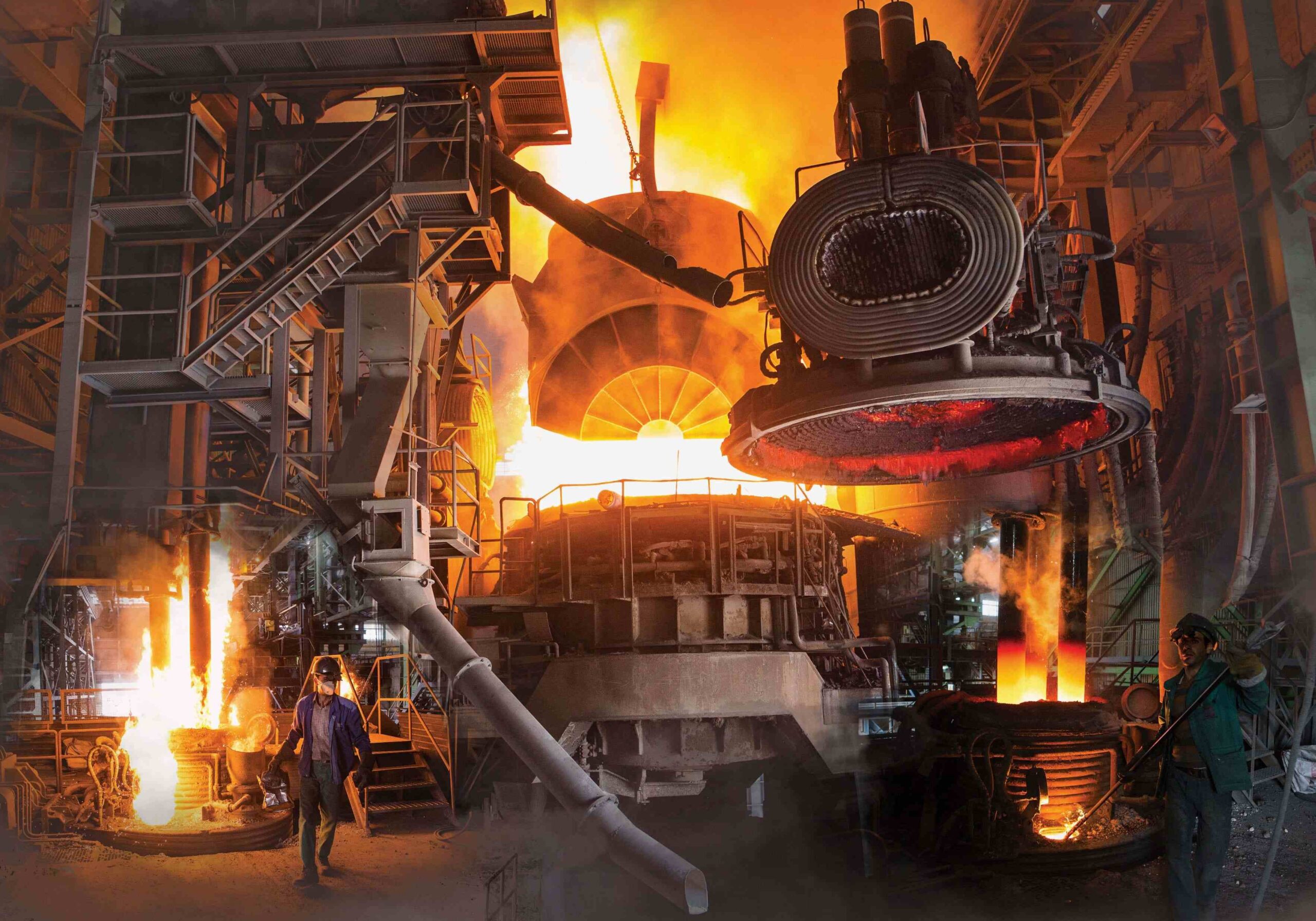 Step 1: Ironmaking
Ironmaking is the first step in steelmaking. Steel is a metallic alloy composed of iron and carbon, so the steelmaking process begins with ironmaking. A blast furnace reduces the iron oxide in the iron ore to metallic iron, removing some impurities. Ultimately, the resulting product is pig iron with a high carbon content, producing fluid molten iron, the primary raw material for steelmaking.
 Step 2: Primary Steelmaking
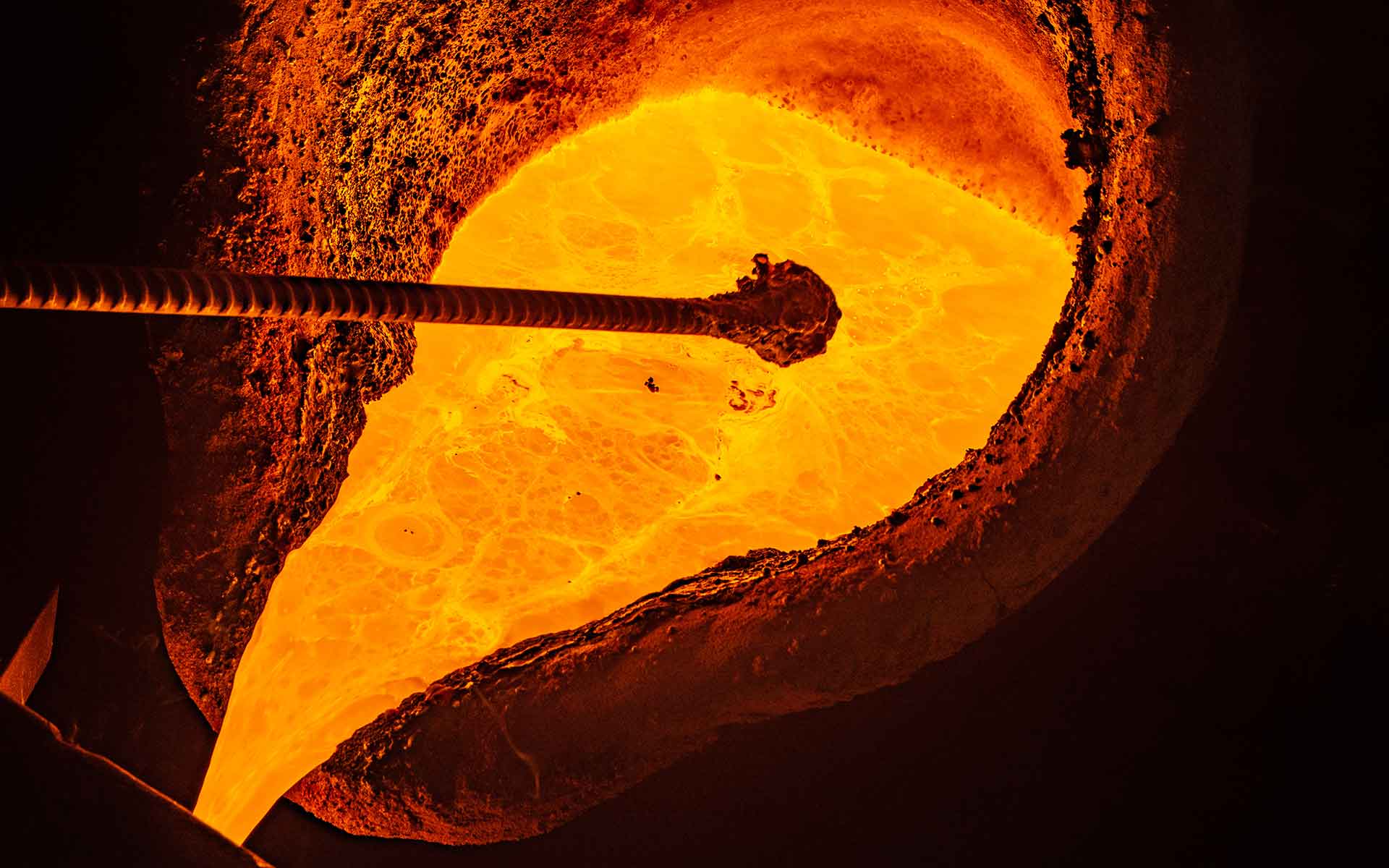
Primary steelmaking is the critical process of converting pig iron or scrap steel into steel by reducing carbon, removing impurities (such as sulfur and phosphorus), adjusting its composition (adding alloying elements such as silicon and manganese), and raising its temperature. Primary steelmaking is primarily divided into two main processes: converter steelmaking and electric furnace steelmaking. Converter steelmaking utilizes high-pressure oxygen to chemically react with carbon, silicon, manganese, and other elements in molten iron, releasing heat to maintain the smelting temperature. The core principle of electric furnace steelmaking is to melt the charge using an electric arc (which can reach temperatures exceeding 3000°C) generated between graphite electrodes and the charge. Impurities are then removed through oxygen blowing and slag formation.
 Step 3: Secondary Steelmaking
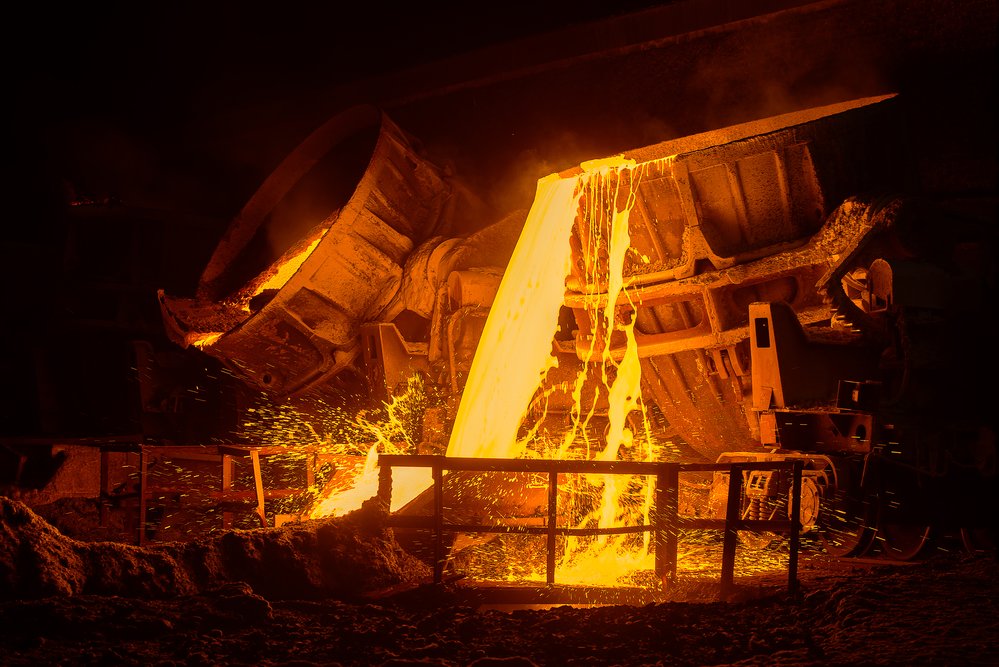
Secondary steelmaking, also known as refining, is a critical step following primary steelmaking (in converters or electric furnaces) to further purify the molten steel, fine-tune its composition, control its temperature, and remove impurities. Its core objectives are to enhance molten steel purity, optimize its compositional uniformity, and stabilize its pouring temperature to meet the stringent performance requirements of high-end steel products such as bearing steel, pipeline steel, and automotive sheet metal.
Step 4: CastingCasting is the key step in converting refined molten steel into solid billets, serving as the bridge between steelmaking and rolling. Its core task is to cool and solidify the hot molten steel through specialized molds or equipment, forming a semi-finished product with a defined shape, size, and internal quality, providing qualified billets for subsequent rolling, forging, and other processes. Steel casting is primarily categorized into continuous casting and mold casting, depending on production efficiency and steel grade requirements. Continuous casting has become the mainstream process due to its high efficiency and energy efficiency.
 Step 5: Primary Forming
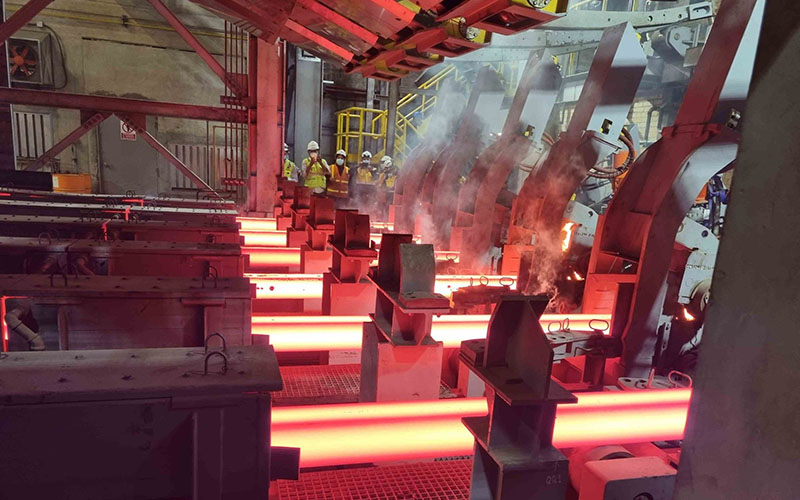
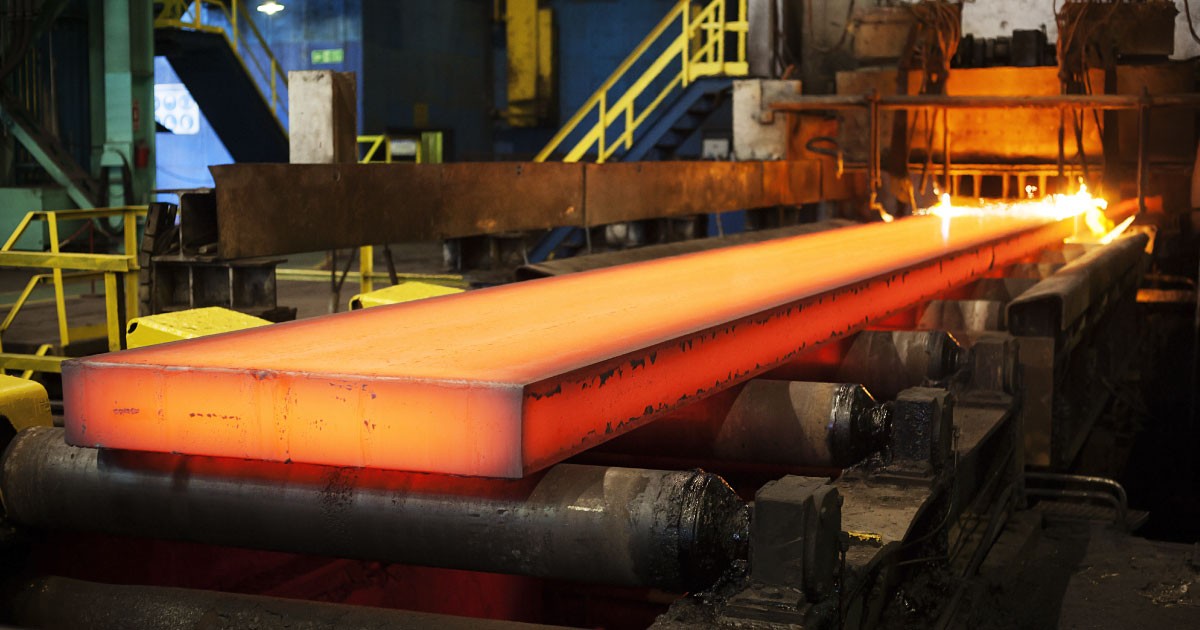
In the steelmaking process, primary forming (also known as "hot rolling") is a key step in converting the ingot into a semi-finished steel product with a specific shape and size through high-temperature rolling. This step uses external forces to plastically deform the ingot, not only achieving a preliminary definition of its shape but also improving the steel's internal structure (such as grain refinement) and enhancing its mechanical properties through the rolling process.
 Step 6: Secondary Forming
In the steelmaking and processing process, secondary forming (also known as "cold forming") is the process of further shaping steel products (such as hot-rolled plates, bars, and wire rods) after primary forming. This is done to achieve higher dimensional accuracy, more complex shapes, or superior surface quality. Unlike primary forming, which involves high-temperature rolling, secondary forming is primarily performed at room temperature, achieving shape adjustment through cold deformation and increasing the steel's strength through work hardening.


