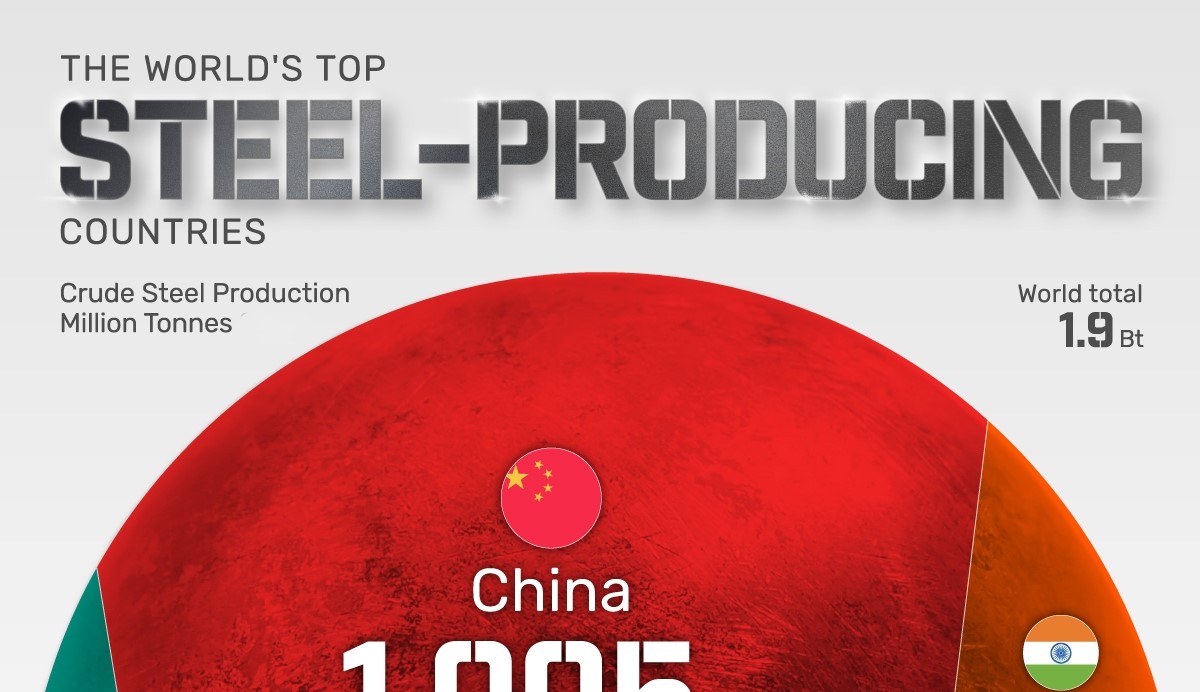
China's ability to become the world's largest steel exporter is the result of the long-term interaction of multiple factors, including the industry's own advantages and the promotion of domestic and international market environments.
China's ability to become the world's largest steel exporter is the result of the long-term interaction of multiple factors, including the industry's own advantages and the promotion of domestic and international market environments.
1. World-Leading Steel Production CapacitySince the reform and opening-up policy, the steel industry has continued to expand, along with the rapid development of infrastructure, real estate, and manufacturing, forming a complete supply chain from raw materials to finished products. This production capacity advantage, accumulated over a long period of industrialization, has made China the world's largest steel producer. This massive production capacity not only meets domestic demand but also creates export redundancy, providing the material foundation for large-scale exports.
2. Technological Upgrades and Product Mix OptimizationFrom its early focus on low-value-added construction steel products such as rebar and wire rod, China's export product mix has gradually shifted to high-end flat and specialty steel products such as automotive sheet, home appliance sheet, shipbuilding steel, and high-speed rail steel, resulting in a continuous optimization of its export product mix.
In recent years, with the advancement of the "dual carbon" goals, steel companies have been promoting large-scale ultra-low emission upgrades (such as converting converters to electric furnaces and piloting hydrogen steelmaking). This has led to stricter environmental standards and enhanced compliance in international markets (e.g., meeting EU environmental requirements).
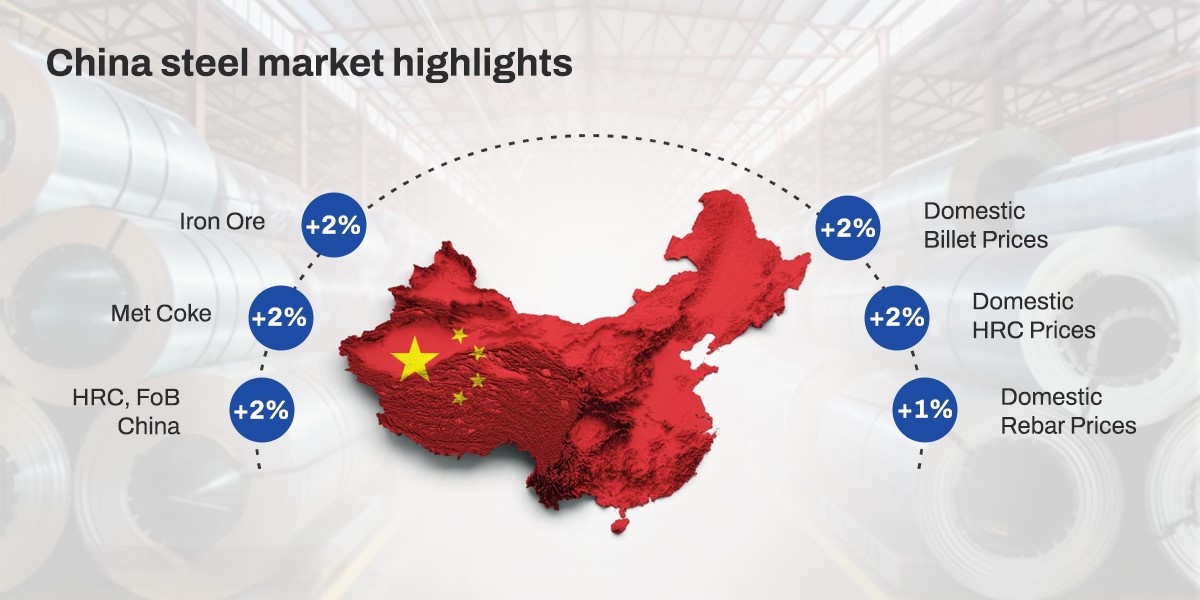 3. Drivers of Domestic and International Market Demand
- Strong International Market Demand
Global infrastructure construction (such as railway and port projects in Southeast Asia and Africa) and a resurgent manufacturing sector (such as the automotive and machinery industries) are driving continued growth in demand for steel. As the "world's factory," China is able to quickly respond to international orders.
Some countries, such as Southeast Asia and the Middle East, lack sufficient domestic steel production capacity and rely on imports to meet demand. China, leveraging its geographical proximity to Asian markets and its logistics network (with competitive ocean freight costs), has become a major source of supply.
- Domestic Market Regulation and Export Orientation
When domestic steel demand slows (e.g., due to real estate regulations or overcapacity), companies expand exports to reduce inventory and balance production capacity.
Export Policy Support: Early on, policies such as export tax rebates were used to encourage steel exports. (Although these policies have been adjusted in recent years due to environmental protection and capacity controls, the accumulated international market share remains.)
4. Complete Industrial Chain and Supply Chain ResilienceChina's steel industry boasts a complete industrial chain, spanning iron ore mining, coke production, steelmaking, rolling, and further steel processing (such as shearing, galvanizing, and coating). Supporting industries (such as logistics, ports, and trade) are well-developed.
- Industry Chain Collaboration: Steel companies collaborate closely with downstream manufacturing industries (such as automotive and shipbuilding), traders, and logistics companies, enabling rapid fulfillment of international orders and providing one-stop services (such as customized processing and timely delivery).
- Supply Chain Resilience: Amid global supply chain fluctuations (such as the pandemic and geopolitical conflicts), Chinese steel companies, leveraging their comprehensive domestic industrial chain and stable production capacity, have ensured export continuity and strengthened trust in the international market.
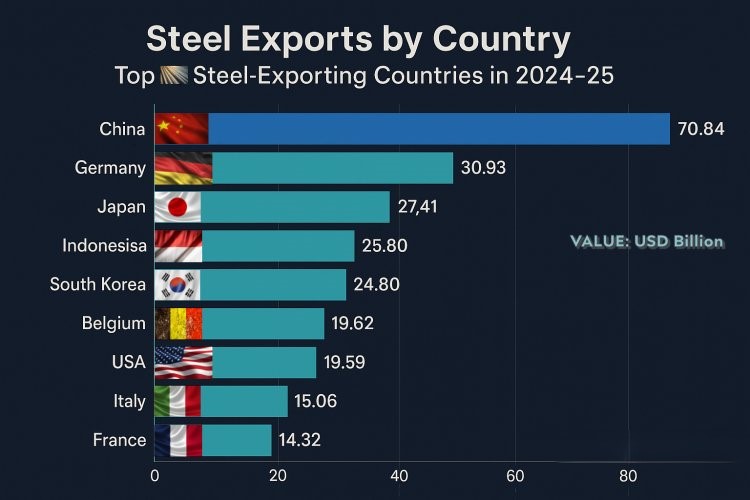 Summary
China's rise to become the world's largest steel exporter is the result of a combination of production capacity, cost advantages, technological upgrades, market demand, and the resilience of its supply chain. This position not only reflects the global competitiveness of China's steel industry but also the crucial role of "Made in China" in the global economic division of labor. However, in recent years, China has also been promoting the transformation of its steel industry toward "high-quality development," shifting from "scale expansion" to "green, high-end, and intelligent" development. Future exports are likely to prioritize quality and added value over sheer quantity.


